
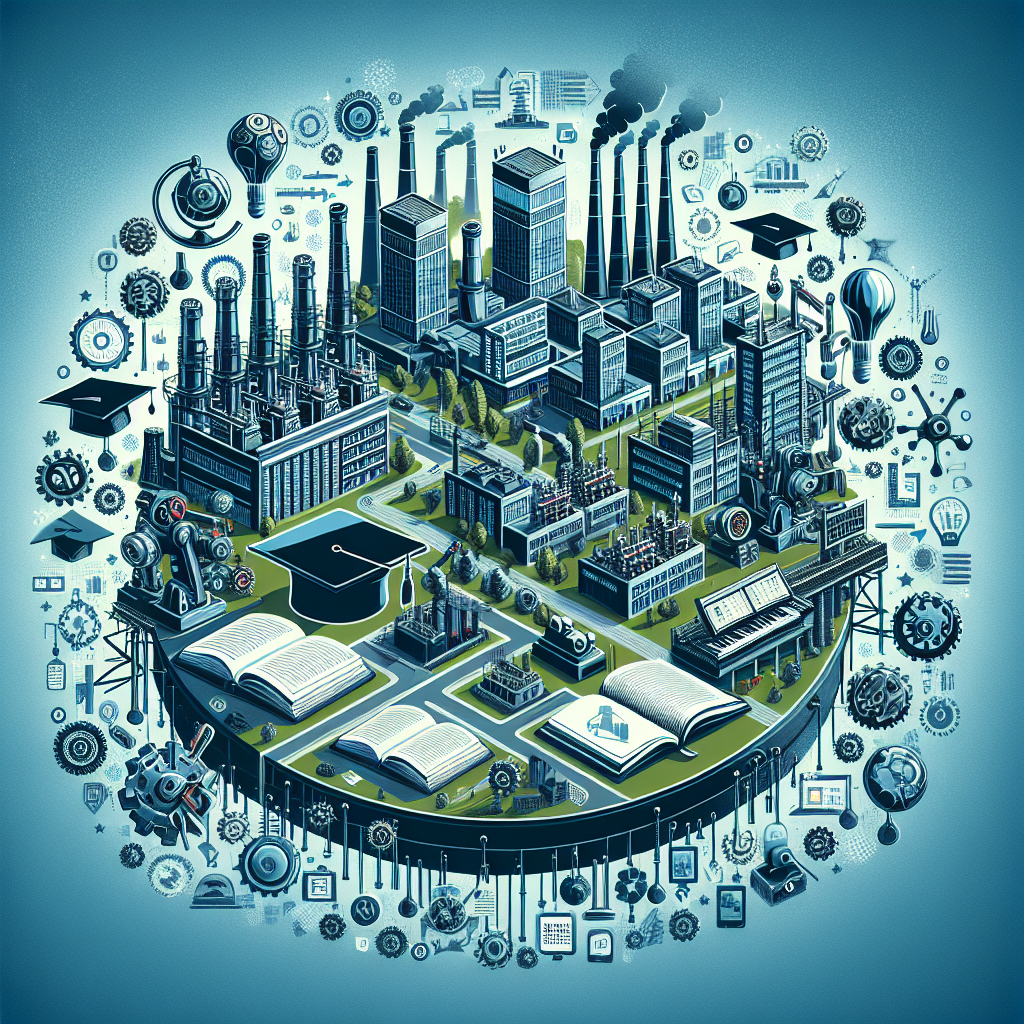
The Future of Production and Higher Education in Russia: Opportunities for International Students
Agriculture and Food Production |
Industrial Production |
Higher Education and Production Research in Russia |
Challenges and Opportunities in Production |
Take the Next Step
Understanding the Concept of Production in Russia
The concept of production in Russia encompasses various sectors that are integral to the country’s economy. Below, we explore key highlights of this multifaceted ecosystem.
Agriculture and Food Production
Agriculture is a fundamental pillar of the Russian economy. The country boasts the world’s third-largest cultivated area, making it a powerhouse in global food production.
- Wheat and Grains: Russia is the largest exporter of wheat, with barley, rye, oats, and sunflower seeds also being prominent crops.
- Fishing Industry: Ranking sixth globally in fish tonnage, Russia produces one-third of the world’s canned fish, with high-quality caviar being a significant cultural and economic export.
This sector not only supports domestic food security but also offers various academic programs focusing on agricultural sciences, biotechnology, and sustainable farming practices.
Industrial Production
Russia’s industrial landscape is equally diverse, featuring several key sectors:
1. Defense Industry
The defense sector of Russia is highly advanced, producing state-of-the-art military equipment including nuclear submarines and ballistic missiles. Global Role: As the second-largest arms exporter worldwide, Russia’s defense industry emphasizes technological innovation and high-quality production processes.
2. Aerospace
The aerospace sector is notable for its production of both military and civilian aircraft. Innovative Manufacturing: Russian companies produce internationally competitive military jets like the MiG-29 alongside civilian models such as the Sukhoi Superjet 100, indicating strong employment opportunities for graduates in engineering and aviation programs.
3. Automotive Production
Automotive manufacturing is another crucial aspect of Russia’s industrial output. While domestic brands like AvtoVAZ and KamAZ dominate, the industry is evolving. Post-sanction Landscape: Following sanctions in 2022, Chinese manufacturers have increased their presence, creating new dynamics within the market.
4. Construction
The construction sector witnessed rapid growth in 2022, with a valuation of 13 trillion rubles. Government Initiatives: The ambitious targets for housing construction and modernization highlight the importance of civil engineering and architecture programs in Russian universities.
5. Electronics
Russia is focusing on rejuvenating its microelectronics industry, despite challenges from external sanctions. Research and Development: Institutions are increasingly collaborating with businesses to foster innovation in electronics, a vital area for future engineers and IT professionals.
Higher Education and Production Research in Russia
The synergy between Russia’s higher education system and its production capabilities plays a significant role in fostering innovation.
- R&D Collaboration: Universities across Russia are partnering with industries to drive advancements in engineering, natural sciences, and technology.
- Curriculum Development: Many educational programs integrate practical experiences in production environments, preparing students for careers in various sectors influential in the global marketplace.
For international students interested in fields related to production, institutions in Russia offer specialized programs tailored to meet the evolving demands of the labor market.
Challenges and Opportunities in Production
While Russia’s production sectors are poised for growth, they also face significant challenges, including:
- Sanctions and Supply Chain Issues: Many production industries, particularly automotive and electronics, are experiencing disruptions that may hinder growth.
- Need for Innovation: As global market dynamics shift, there is a pressing need for local manufacturers to innovate.
Opportunities for International Students
Despite these challenges, opportunities abound:
- Agricultural Expansion: Climate change and evolving agricultural practices present potential for substantial growth in this sector.
- Infrastructure Development: Ambitious government initiatives in construction and housing provide numerous avenues for budding engineers and architects.
- Technological Advancements: The push for domestic production technologies encourages innovation in fields like electronics and information technology.
International students can leverage these opportunities by enrolling in focused programs that prepare them for successful careers in these evolving sectors.
Take the Next Step with Study in Russia
We encourage you to explore further how you can be part of this dynamic educational landscape.