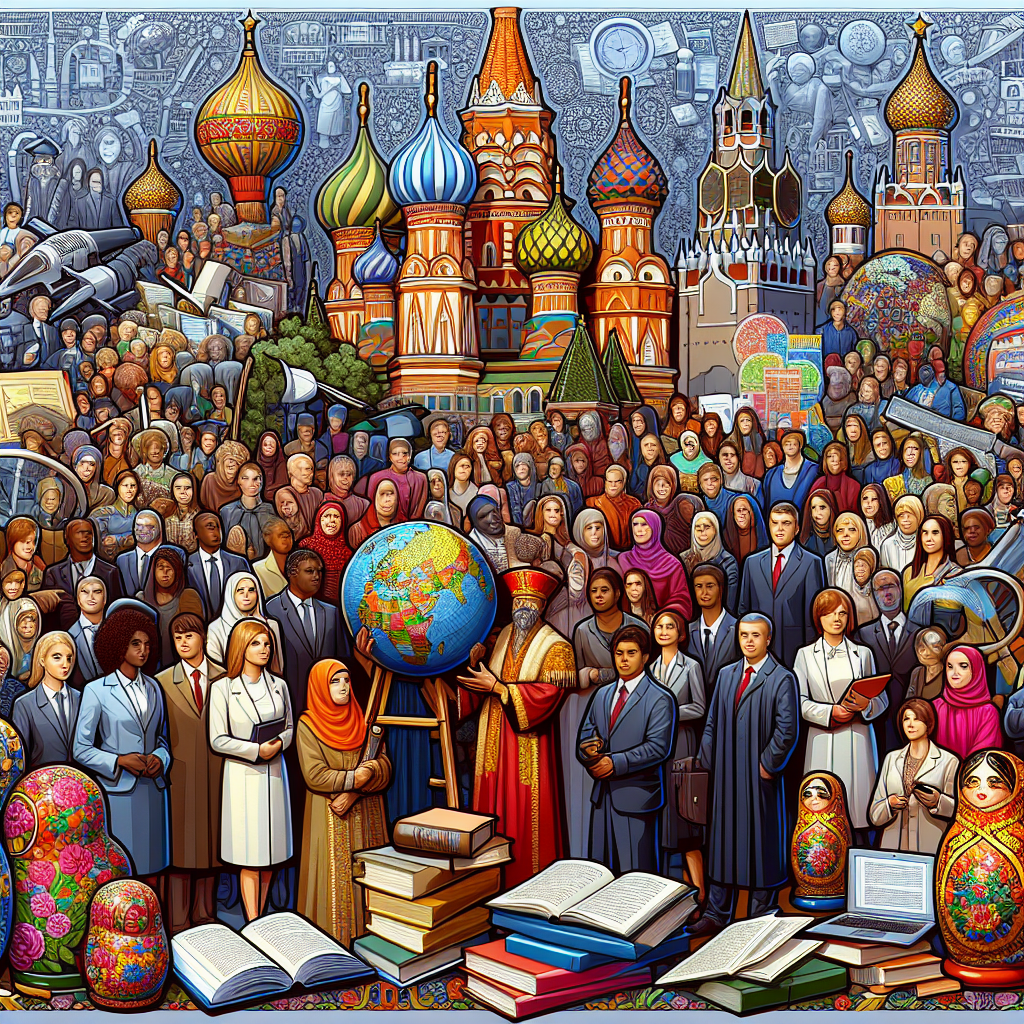
Production Diversity in Russia: A Key Factor for International Education and Student Recruitment
- Introduction
- Understanding Russia's Key Production Industries
- Advantages of Studying in Russia
- Conclusion
- Call to Action
Introduction
Russia stands out as a major player on the global stage due to its vast natural resources and industrial capabilities. Its production sectors, encompassing energy, agriculture, manufacturing, and more, provide a backdrop where international students can pursue education in fields that align with these industries. This perspective can help recruiters and educational professionals market programs effectively, attracting students interested in industries that bolster Russia's economy.
Understanding Russia's Key Production Industries
Energy Sector
- Oil and Gas: Russia accounts for approximately one-fifth of the world’s oil production and over one-fourth of its natural gas output. Major centers for extraction include Western Siberia, the Volga-Ural area, and the Komi-Ukhta field.
- Coal and Electricity: Western Siberia is responsible for nearly 80% of Russia's coal production. Additionally, Russia generates significant electricity from renewable sources, including hydroelectricity and nuclear plants.
Agriculture
- Grain Production: Russia is the world’s largest wheat exporter, with wheat, barley, and rye as staple crops. However, only about 7.4% of the country’s total land area is cultivated.
- Fisheries: Russia ranks sixth globally in fish catch tonnage, reflecting its rich aquatic resources.
Manufacturing and Industry
- Defense Industry: As the second-largest arms exporter globally, Russia is known for its advanced military technology.
- Aerospace: This sector provides extensive employment opportunities, with over 355,000 individuals working in aircraft manufacturing.
- Automotive Industry: Domestic brands like AvtoVAZ and KamAZ continue to operate despite challenges.
- Electronics and Nanotechnology: The potential for growth in these sectors remains substantial.
Construction Sector
The construction industry's value reached 13 trillion rubles in 2022, with major projects aimed at enhancing housing and infrastructure.
Metals and Mining Sector
- Iron Ore and Non-ferrous Metals: The Urals and Siberia are pivotal regions for mining.
- Precious Metals: Russia is a substantial player in the global market for gold and platinum.
Export Strategy and Challenges
Recent geopolitical developments, including Western sanctions, have prompted shifts in Russia's trade patterns, particularly in energy exports directed towards Asia.
Advantages of Studying in Russia
So, how do these industries shape the potential for international education? Here are several benefits:
- Industry-Aligned Education: Russian universities offer specialized programs that align with the country’s dominant production sectors.
- Research Opportunities: With a rich industrial backdrop, students can engage in groundbreaking research.
- Cultural Exchange: Studying in Russia provides students with a unique opportunity to immerse themselves in a rich cultural heritage.
- Career Prospects: Graduates from Russian institutions are often well-positioned for careers within the emerging and traditional sectors of the economy.
Conclusion
As international student recruitment and educational partnerships evolve, understanding the intertwined relationship between Russia's production industries and educational opportunities is vital. By aligning curricula with the burgeoning sectors of the economy, universities can attract a diverse cohort of international students.
At Study in Russia, we are committed to assisting international students in navigating the educational landscape, providing essential information, resources, and connections to universities across Russia.
Take the Next Step with Study in Russia
We invite you to contact us if you are part of an international student recruitment agency, university admissions team, or education professional interested in fostering partnerships in this dynamic educational landscape.