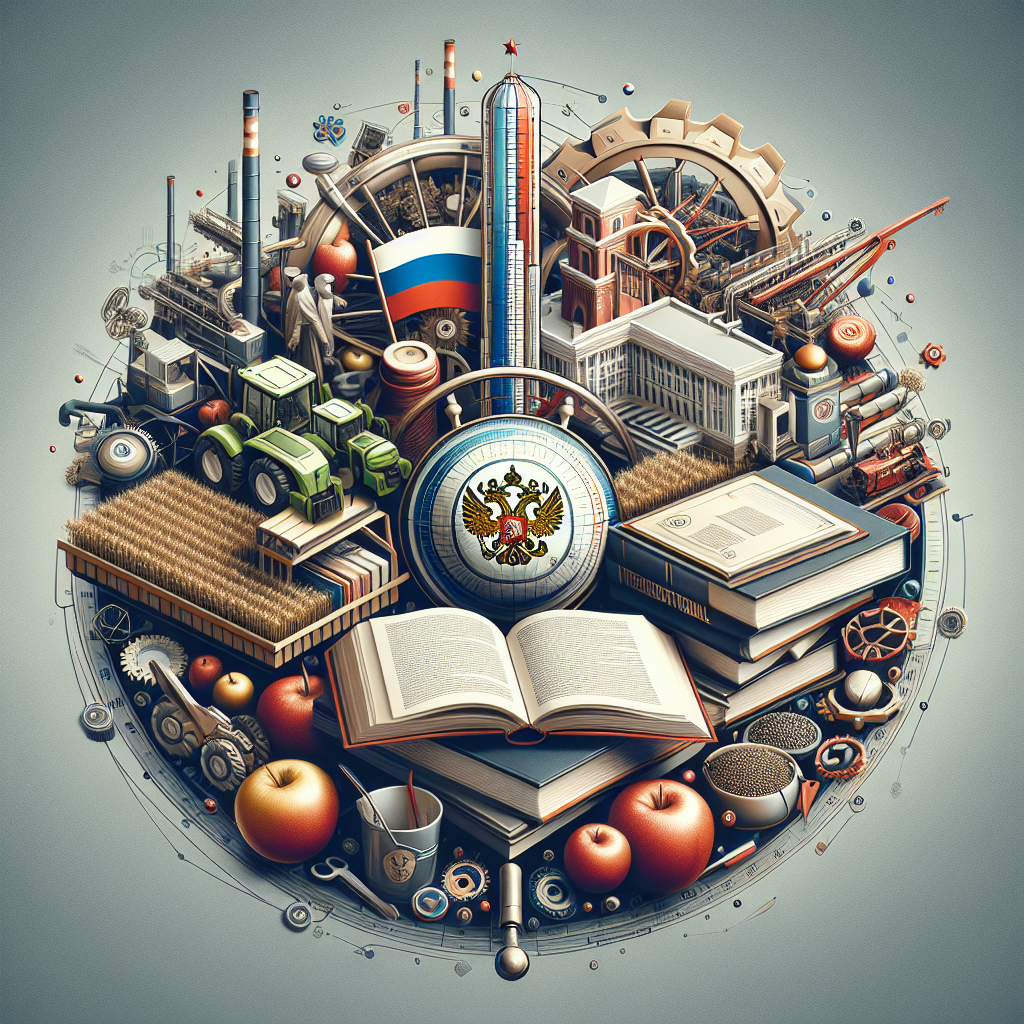
The Role of Education in Strengthening Production in Russia
Key Sectors of Production in Russia | Education and Research in Support of Production | International Collaboration and Opportunities | Conclusion | Take the Next Step with Study in RussiaKey Sectors of Production in Russia
Russia's production landscape is multifaceted, with various sectors making significant contributions to the economy. The primary sectors include:
Industrial and Defense Production
Russia ranks as a global leader in high-tech military equipment manufacturing. The country is famed for its advanced capabilities in producing fighter jets, nuclear submarines, and ballistic missiles, making it the second-largest arms exporter worldwide. The United Aircraft Corporation, known for crafting advanced aircraft like the Su-30 and the Sukhoi Superjet 100, exemplifies the sophistication and innovation prevalent in this sector.
Automotive Industry
The automotive industry is a pivotal contributor to Russia's economy, employing approximately 600,000 individuals. Local brands such as AvtoVAZ and KamAZ are integral to Russia's vehicle production landscape. Although recent challenges, including the withdrawal of Western manufacturers, have impacted production levels, strategic efforts to attract Chinese manufacturers have introduced renewed vitality to the market.
Electronics and Microelectronics
Despite the challenges posed by international sanctions, Russia’s microelectronics sector shows resilience through pockets of development. Companies like JCS Mikron are pivotal in advancing this field, fostering an environment for innovation and technological growth.
Agriculture
Agriculture constitutes about 5% of Russia's GDP and supports a substantial portion of the workforce. Russia is the world's largest wheat exporter and a significant contributor to the global grain market. The fishing industry also plays a vital role, ranking sixth globally in tonnage. This diversified agricultural foundation helps stabilize Russia's economy by ensuring food security and international trade opportunities.
Construction
The construction sector has demonstrated consistent growth recently, bolstered by extensive investments in residential and infrastructure projects. This growth is essential for providing housing and supporting economic development across the country.
Education and Research in Support of Production
The effectiveness of Russia's production sectors heavily relies on a skilled workforce, which is cultivated through the country's robust educational framework. Russian higher education institutions are at the forefront of developing professionals equipped to support various industries.
Engineering and Technical Programs
Programs focused on engineering, physics, and related sciences are fundamental for fostering innovation in Russia's production ecosystems. Notable institutions like Bauman Moscow State Technical University and the National Research Nuclear University MEPhI offer specialized courses designed to align educational outcomes with industrial requirements. By equipping students with hands-on experiences, these institutions ensure that graduates are prepared to tackle real-world challenges in production settings.
Vocational Training and Technical Education
In addition to university-level education, Russia's vocational education system plays a crucial role in nurturing skilled workers. This system focuses on training mid-level professionals, ensuring that the workforce is ready to meet the varying demands of Russia's diverse production industries. This model serves to bridge the gap between theoretical learning and practical application, facilitating a seamless transition into the workforce.
International Collaboration and Opportunities
Russia's commitment to welcoming international students has essential implications for its production economy. By inviting students from around the globe, Russian universities contribute to a diverse educational environment that fosters innovation.
Academic Infrastructure and Research Opportunities
International students benefit from Russia's advanced academic infrastructure, including cutting-edge laboratories and industry partnerships. Internships and cooperative programs are prevalent, allowing students to gain practical experience within sectors they wish to enter. These experiences are invaluable, paving the way for future employment within the field-related industries.
Financial Support and Accessibility
Government initiatives, including scholarships and affordable tuition options, make studying in Russia an attractive proposition for international students. These measures have democratized access to quality education, enabling a broader range of students to pursue their academic goals in Russia's prestigious institutions.
Conclusion
In conclusion, the synergy between education and production in Russia emphasizes the country's robust industrial and economic capabilities. The diverse sectors of production—from defense to agriculture—rely on a continuous influx of skilled professionals, which is nurtured by Russia's educational framework.
For international student recruiters, university admissions teams, and agencies engaged in student placement, there exist ample opportunities for collaboration with Russian educational institutions. Engaging with Study in Russia can provide deeper insights into how to navigate this evolving landscape, ensuring that both students and academic partners thrive.
Take the Next Step with Study in Russia
If you are interested in exploring study opportunities in Russia or partnering with educational institutions to support international students in their journey, contact us today. Let’s work together to create pathways for future leaders in the global production economy.